Sugar Defender vs GlucoTrust – Which Is Better for Blood Sugar?
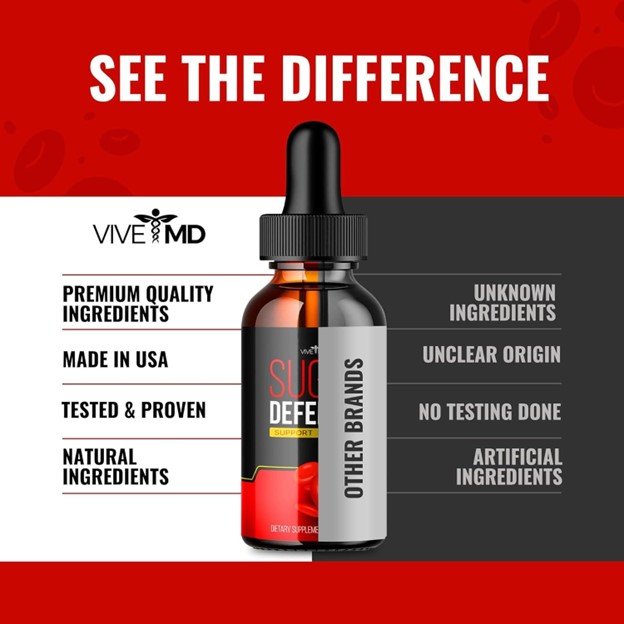
Two products. Both targeting blood sugar. Both popular. Both with credible-looking marketing. If you have been researching natural glucose support supplements, you have almost certainly run into both names, and at some point you end up asking the same thing everyone asks: Sugar Defender vs GlucoTrust, which one is actually worth the money?
That is a genuinely good question to be asking. Because in a supplement
category flooded with lookalike products and recycled marketing language, the differences between
two specific products can be subtle or significant, and knowing which is which requires actually
looking at the details rather than just comparing homepage claims.
This comparison looks at both
products side by side. Ingredients, delivery format, manufacturing standards, pricing, guarantees,
user feedback patterns, and overall value. No artificial cheerleading for either. Just what the
evidence and product details actually show.
Quick Overview: What Are These Two Products?
Sugar Defender
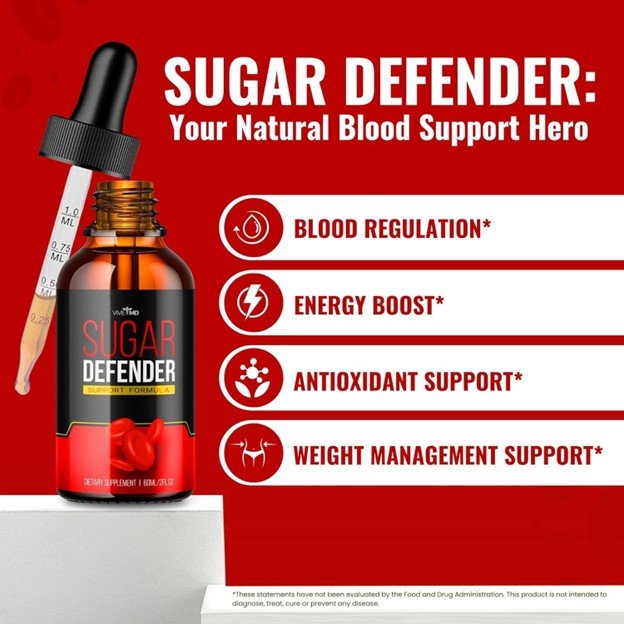
Sugar Defender is a liquid tincture supplement. Eight plant-based and mineral ingredients: Gymnema Sylvestre, African Mango, Maca Root, Eleuthero, Coleus Forskohlii, Cayenne Pepper Fruit Powder, Chromium, and Alpha Lipoic Acid. Taken as two droppers sublingually each morning before breakfast. Manufactured in the USA at an FDA-registered, GMP-certified facility. Vegan, gluten-free, non-GMO. Primary targets: blood glucose balance, insulin sensitivity, craving reduction, and sustained daily energy.
GlucoTrust
GlucoTrust is a capsule supplement. Also plant-based and mineral-focused, with a formula that includes Gymnema Sylvestre, Biotin, Chromium, Manganese, Licorice Root, Cinnamon, Zinc, and Juniper Berries. Taken as one capsule before bed. The nighttime timing is intentional, with the reasoning being that several ingredients in the formula are designed to support healthy sleep cycles alongside blood sugar regulation, since poor sleep is a documented contributor to glucose instability. Also manufactured in an FDA-registered, GMP-certified facility.
So right from the top, two obvious differences: delivery format (liquid vs capsule) and timing (morning vs night). Both matter more than they might initially seem. Let's dig into each comparison point properly.
Sugar Defender vs GlucoTrust: Side-by-Side Comparison
Here is how the two products stack up across the key decision-making
factors:
|
Feature |
Sugar Defender |
GlucoTrust |
|
Form |
Liquid tincture (sublingual) |
Capsule (oral) |
|
Timing |
Morning, before breakfast |
Night, before bed |
|
Key Ingredients |
Gymnema Sylvestre, ALA, Maca Root, African Mango, Chromium, Eleuthero, Cayenne, Coleus |
Gymnema Sylvestre, Biotin, Chromium, Cinnamon, Licorice Root, Manganese, Zinc, Juniper Berries |
|
Manufacturing |
FDA-registered, GMP-certified, USA |
FDA-registered, GMP-certified, USA |
|
Absorption Speed |
Faster (sublingual bypass) |
Standard (digestive process) |
|
Price (1 bottle) |
$69 |
$69 |
|
Price (3 bottles) |
$177 ($59/bottle) |
$177 ($59/bottle) |
|
Price (6 bottles) |
$294 ($49/bottle) |
$294 ($49/bottle) |
|
Money-Back Guarantee |
60 days |
60 days |
|
Free Bonuses |
2 digital guides (3 or 6 bottle orders) |
3 digital guides (3 or 6 bottle orders) |
|
Vegan / Gluten-Free |
Yes |
Yes |
Delivery Format: Why Liquid vs Capsule Is a Real Difference
In the Sugar Defender vs GlucoTrust conversation, this is the most underappreciated distinction. It is easy to dismiss format as cosmetic, but it actually affects how the formula works in your body.
Sugar Defender is taken sublingually. Under the tongue, the mucous membrane absorbs the active compounds directly into the bloodstream, bypassing the first-pass metabolism in the liver and the full digestive process. The result is faster absorption and, arguably, less degradation of sensitive botanical compounds that can be partially broken down by stomach acid.
GlucoTrust is a capsule. It goes through the digestive system before the ingredients reach the bloodstream. That is not inherently bad. Plenty of highly effective supplements are capsules. But it does mean a slower uptake, and some sensitive ingredients may lose some potency during digestion, depending on individual gut health factors.
If absorption speed and bioavailability are priorities for you, the liquid format of Sugar Defender has a genuine technical advantage here. If you find tinctures inconvenient or dislike the taste experience, the capsule format of GlucoTrust is more straightforward to take.
Ingredient Comparison: Where the Formulas Diverge
Both Sugar Defender and GlucoTrust share a few foundational ingredients: Gymnema Sylvestre and Chromium appear in both. Good choices in both cases. Beyond that, the formulas go in noticeably different directions.
Sugar Defender leans heavily into adaptogenic and metabolic support. Eleuthero and Maca Root address the stress-cortisol-glucose connection and sustained energy. Alpha Lipoic Acid provides significant antioxidant protection and insulin sensitivity assistance. African mango enhances leptin sensitivity and regulates appetite. Coleus Forskohlii affects insulin secretion at the cellular level. Cayenne Pepper supports thermogenesis and metabolic rate. The formula is built around the full ecosystem of glucose regulation: insulin response, stress management, cravings, cellular oxidative stress, and metabolic efficiency all addressed within one product.
GlucoTrust takes a different angle. Cinnamon is one of the most studied natural compounds for insulin sensitivity and is a credible and well-regarded inclusion. Biotin and Manganese support enzyme function and carbohydrate metabolism. Licorice Root is used because of its anti-inflammatory effects and historical use in blood sugar regulation. Zinc promotes immunological function and insulin storage in the pancreas. Juniper Berries bring antioxidant properties.
One notable addition in GlucoTrust's approach: the nighttime sleep angle. Several of the ingredients, particularly when combined, are intended to support healthier sleep cycles. The logic being that better sleep quality helps regulate cortisol and in turn stabilises glucose patterns. It is an interesting and somewhat distinctive strategy that Sugar Defender does not specifically target.
Neither formula is definitively superior in ingredient quality. They are differently focused. If your primary concern is daytime energy and craving management, Sugar Defender's morning dosing and adaptogenic focus aligns better. If sleep disruption is part of your blood sugar struggle, GlucoTrust's nighttime approach may address something Sugar Defender does not.
User Feedback Patterns: What Customers Are Actually Reporting
Looking at verified purchaser feedback for both products gives a useful real-world lens on the
Sugar Defender vs GlucoTrust question.
Sugar Defender users consistently report improvements in daytime energy stability, notably fewer mid-afternoon crashes, reduced cravings for sweets and refined carbs, and better blood sugar readings at health check-ups after extended use. The most common initial complaint is taste adjustment, which can be easily remedied by mixing in water. The most substantial results are obtained after 60-90 days of consistent daily use.
GlucoTrust users frequently mention improved sleep quality as one of the first things they notice. This feeds into broader benefits reported over time: better morning energy, more stable glucose readings, and reduced cravings, though these often appear slightly later in the timeline than the sleep improvements. Capsule format is generally well tolerated. Some users mention mild digestive adjustment in the first week or two.
The pattern here is interesting. Sugar Defender tends to show daytime
benefits earlier. GlucoTrust's first noticeable shift for many users is in sleep, with glucose
benefits building afterward. Different entry points to the same destination, essentially.
Pricing, Guarantees, and Overall Value
On pricing, Sugar Defender and GlucoTrust are essentially identical. Single bottle at $69, three-bottle package at $59 per bottle ($177 total), six-bottle package at $49 per bottle ($294 total). Both offer a 60-day money-back guarantee. Both include free digital bonuses with multi-bottle purchases, though GlucoTrust includes three bonus guides versus two from Sugar Defender.
At the same price point, the decision between them really does come down to the ingredient focus and delivery format rather than cost. Neither has a financial advantage over the other.
Which One Should You Actually Choose?
Here is the honest guidance on the Sugar Defender vs GlucoTrust decision:
Choose Sugar Defender if:
• Daytime
energy crashes and mid-afternoon slumps are your biggest struggle
• You want the
adaptogenic stress-management angle included in your formula
• You prefer a
sublingual liquid format for faster absorption
• Strong antioxidant coverage from
Alpha Lipoic Acid is a priority for you
Choose GlucoTrust if:
• Poor sleep is
part of your blood sugar problem and you want a formula that specifically addresses it
•
You find capsules easier to incorporate into a daily routine than a tincture
•
Cinnamon as a core ingredient is something you specifically want in your glucose support
formula
• Evening dosing fits better into your lifestyle than a morning routine
Neither product is the universally superior choice. They are both
respectable supplements from legitimate manufacturers that approach the same basic goal from
slightly different perspectives. The best option is based on your unique circumstances, lifestyle,
and the aspect of glucose health that is most important to you.