Sugar Defender USA: How to Verify the Official Website Before Buying
You search for Sugar Defender online and suddenly there's like eight different websites all screaming that they're the official one. All of them look kind of the same. All of them have the same green bottle photo. So, which one do you actually trust?
This whole guide exists to answer that. We're going to walk you through every single thing you need to check before spending a cent. No fluff. Just the real practical stuff, plus some background on what Sugar Defender actually is so you go in knowing what you're buying. Fair warning though. Some of this gets a little tedious. But better tedious than scammed, right? So, What Is Sugar Defender, Actually?
Sugar Defender is a liquid supplement. You take it as drops, not pills. The idea is that you put two full droppers under your tongue each morning before you eat anything, hold it there for about 30 seconds, then swallow. Some people mix it in water if the taste bothers them. Totally fine either way.
So, What Is Sugar Defender, Actually?
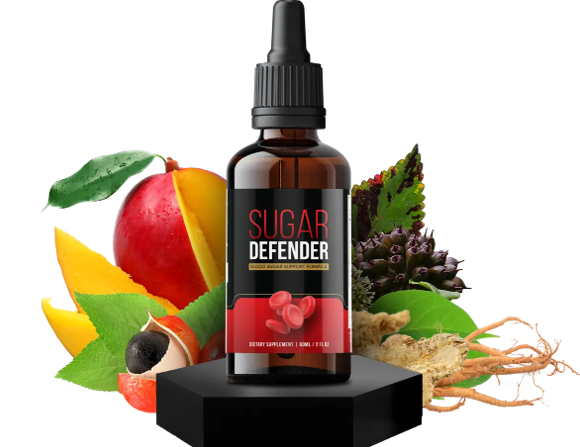
The formula is plant-based. It pulls from a mix of herbal ingredients that have been used in traditional medicine for ages. We're talking things like Gymnema Sylvestre, which has been used in Ayurvedic practice literally for centuries and is sometimes called the "sugar destroyer." There's also Maca Root, Ginseng, Cinnamon Bark, African Mango, Eleuthero, Cayenne Pepper Powder, Chromium, and Alpha Lipoic Acid.
None of these are exotic lab creations. They're real plants and compounds with documented histories. Chromium, for instance, has actual clinical research behind it related to how the body processes insulin. Alpha Lipoic Acid is a well-known antioxidant. The combo is designed to support healthy blood sugar, sharper energy, and fewer of those horrible mid-afternoon crashes where your brain just... stops working.
Sugar Defender is manufactured in the US, inside an FDA-registered, GMP-certified facility. That last bit matters a lot. GMP means Good Manufacturing Practices. It's a real set of standards, not a logo someone slapped on a label.
Now. Here's where it gets complicated. A product being genuinely good doesn't stop fakes from existing. If anything, the better a product's reputation, the more counterfeit versions pop up around it. So, let's get into the verification part.
Why Fake Sugar Defender Websites Are Everywhere
Quick explanation of why this happens. When a supplement gets popular, affiliate marketers pile in. Some of them are totally legit, just promoting the real product for a commission. Others are running their own shady storefronts. And a small number are straight-up scammers with a fake page and no product at all.
The dangerous part isn't just losing money, though that's obviously bad. It's that a fake supplement might contain god-knows-what. The wrong dose of something. Fillers. Substitute ingredients that weren't tested. In rare cases, actual contaminants. You can't see that from the outside of a bottle.
Fake sites are built to look convincing. Like, genuinely convincing. They use the same color schemes, similar product photos, near-identical layout. A lot of them register domain names that are just one word off. "sugardefendershop" or "sugardefenderusa-official" or something like that. Close enough to fool someone who's not paying close attention.
One more thing worth knowing. The Sugar Defender official website USA uses ClickBank to process payments. ClickBank is a real, established digital commerce company. That's actually one of your verification checkpoints. More on that in a second.
How to Verify the Sugar Defender Official Website USA
Alright here we go. These are the actual checks. Go through each one before you click buy.
Step 1. Check the Domain Name Carefully
Scammers count on you being in a rush. They register domain names that are almost right. One extra word, a hyphen where there shouldn't be one, a different ending like .net instead of .com. Before you do anything else, read the full URL in the address bar. Anything with "shop," "buy," "deal," "order," "discount," or "authentic" tacked onto the domain name is worth being suspicious of. The real Sugar Defender official website USA doesn't need to prove itself through a name like that.
Step 2. Look for Secure HTTPS Connections
This is basic internet safety stuff but I'm including it anyway because a lot of people skip it. Look at the address bar. There should be a little padlock icon. The URL should start with https, not http. The "s" means secure. No padlock means no encryption, which means your payment details are potentially exposed. Walk away.
Step 3. Watch What Happens at Checkout
This is actually the most reliable test. When you click the order button on the genuine Sugar Defender official website USA, you get redirected to a ClickBank checkout page. ClickBank has its own recognizable interface. If the checkout looks completely different, uses an unfamiliar payment gateway, or asks you for information that seems excessive, stop. Do not complete the transaction.
ClickBank is a legitimate company with buyer protections. That's part of why the real product uses them. It is a trust indicator, not only a technical feature.
Step 4. Find the Refund Policy and Actually Read It
The genuine product comes with a 60-day money-back guarantee. Not 30 days. Not "store credit only." A full 60-day refund policy. This should be clearly written somewhere on the site, with actual contact details for the customer support team.
If the refund policy is vague, missing, or if the only contact listed is a random Gmail address? Red flag. Big one.
Step 5. Look for Specific Customer Support Contact
Real companies have real support channels. Check the contact page. Is there a phone number? A business email that matches the domain? Some indication that a human being is on the other end? If the only option is a contact form with no other details attached to it, that's not great.
Step 6. Compare the Pricing to What You'd Expect
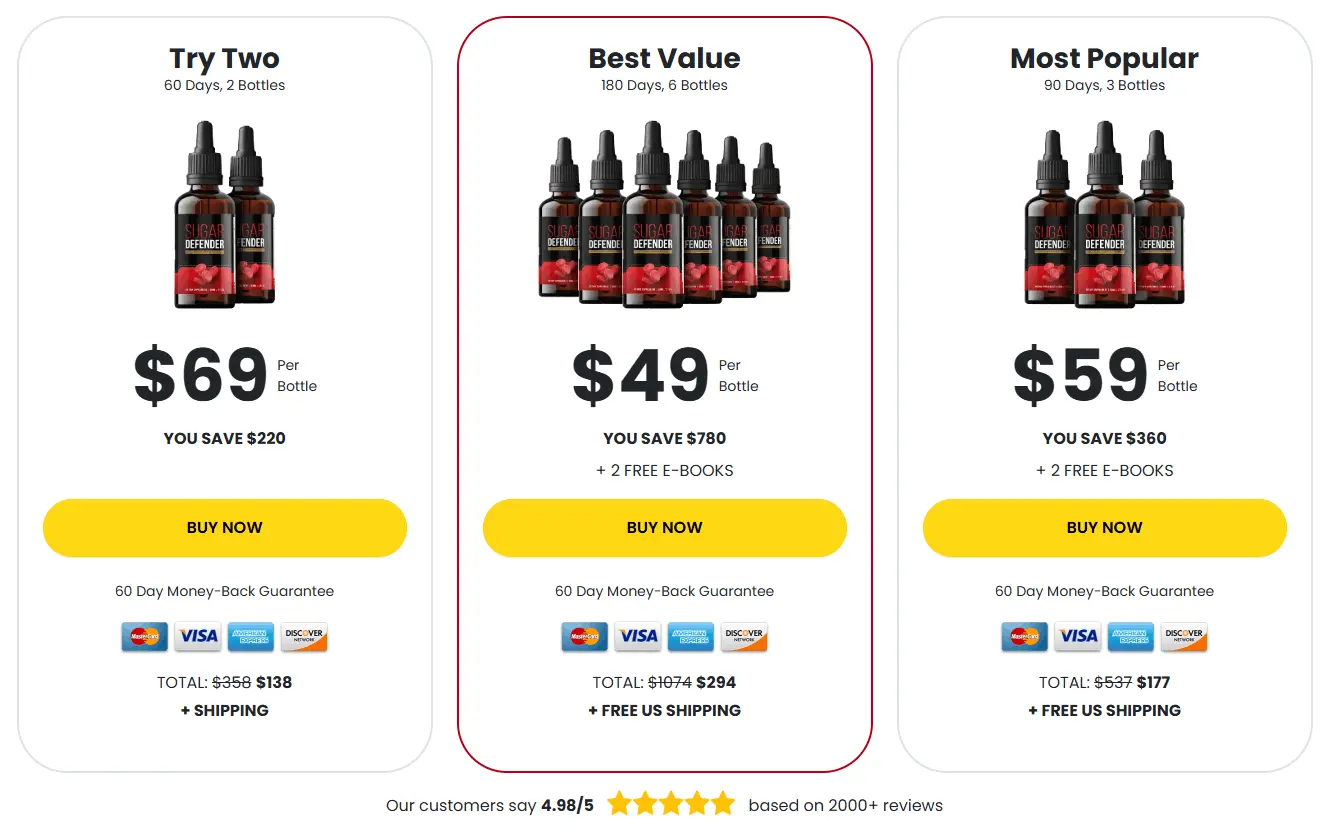
The official pricing for Sugar Defender runs around $49 per bottle during promotional periods, with better rates for multi-bottle orders. That's the ballpark. If a site is listing it for $12 or $18, something is wrong. Either it's counterfeit, or it's a bait-and-switch, or the order simply won't show up.
Legit discounts exist on the real site. They just aren't extreme. "80% off" from a third-party site is almost never what it seems.
Step 7. Look at the Product Photos Closely
Compare the bottle's design to the official product listing. Fake websites may employ fuzzy photographs, watermarked photos sourced from other listings, or subtly altered label designs. The label color, font, and layout on Sugar Defender is consistent. Anything that looks off, even slightly, deserves a second look.
Where You Should Not Buy Sugar Defender
Just as important as knowing where to buy is knowing where not to. A few platforms people commonly check:
- Amazon: Third-party Amazon sellers list supplements with no oversight on storage, handling, or authenticity. You usually have no idea who actually shipped the product.
- eBay: Open marketplace. Health products listed here have essentially zero quality verification. Not worth it.
- Walmart third-party listings: Same problem as Amazon. The platform doesn't vet individual supplement sellers carefully enough.
- Random "health deals" aggregator sites: A lot of these are drop-shippers who've never actually held the product. They forward your order to who knows where.
None of these channels give you access to the manufacturer's 60-day guarantee. If something goes wrong, you're fighting with the marketplace instead of a company that actually made the product. Go directly to the Sugar Defender official website USA and skip the middlemen entirely.
What You Actually Get When You Order from the Official Site
Worth laying this out clearly so you know what a legitimate order looks like.
- Bottle options: Single, 3-pack, or 6-pack. Larger orders result in increasingly better per-bottle price.
- Free bonuses: Orders of 3 or 6 bottles include two downloadable guides at no extra cost.
- 60-day money-back guarantee.If you're unsatisfied for any reason, you can request a full refund within 60 days of purchase.
- Direct shipping: Orders are dispatched within 24 business hours and delivered via FedEx or UPS, typically within 5 to 10 business days for US customers.
- Tracking: You'll receive an email confirmation with a tracking number after your order ships.
The Bottom Line
Buying the real Sugar Defender isn't complicated if you know what to look for. Check the URL. Confirm HTTPS. Watch for the ClickBank checkout. Read the refund policy. Compare prices. Don't buy from Amazon or eBay.
Ten minutes of due diligence upfront can save you from counterfeit product, a lost payment, and potentially something that causes harm instead of help. That's a pretty good trade.
The Sugar Defender official website USA is there. It's findable. Just take a breath, go through the checklist above, and make sure you're in the right place before you hit order. Your health deserves that level of care.
Frequently Asked Questions
Q1: How can I tell if I am on the real Sugar Defender official website USA?
A few solid indicators. The checkout should redirect to a ClickBank-powered payment page. You should see an HTTPS connection with a padlock in the address bar. The site should clearly display a 60-day refund policy with actual customer support contact info. Pricing should be in the $49 per bottle range during promotions, not suspiciously lower. And the domain name itself shouldn't have added words like "shop," "order," or "discount" tacked on. If all of those check out, you're most likely in the right place.
Q2: Can I buy Sugar Defender from Amazon or Walmart?
There is no authorized or official listing on Amazon, Walmart, or other third-party shopping platform. To provide quality control and consumer protection, the company only sells through the Sugar Defender official website in the United States. Listings you find on those platforms come from unauthorized sellers, which means you lose the 60-day guarantee and have no recourse if the product turns out to be fake or expired. It's genuinely not worth the risk when the real site is easy to find and offers solid buyer protection.
Q3: What should I do if I already bought from a suspicious website?
Move fast. Contact your bank or credit card provider right away and explain that you may have been defrauded. Gather all documentation you have: the site URL, any order confirmation emails, payment receipts, screenshots. If a product arrived and looks different from what the official listing shows, don't consume it. File a report with the FTC at reportfraud.ftc.gov and if the product itself is suspect, report it to the FDA through their MedWatch portal. Acting quickly is key because dispute windows with banks are usually time-limited.
Q4: Is Sugar Defender safe, and how long before I notice results?
The ingredients inside Sugar Defender are naturally sourced and well-documented compounds with long histories in herbal medicine. The product is made in a US-based, FDA-registered, GMP-certified facility. That production standard matters and it's not something every supplement brand can claim. Most users report feeling early changes within the first week or two, but meaningful results tied to blood sugar and energy stability tend to show up after about 3 months of consistent daily use. Everyone's body is different. If you have existing health conditions or take prescription medication, check with your doctor before starting this or any new supplement. The 60-day money-back guarantee makes it relatively low-risk to find out for yourself.